

Victoria, a diverse Australian state, mirrors the complexity of manual transmissions – requiring attentive care for optimal performance. Flushing revitalizes this crucial component, ensuring smooth gear changes and extending its lifespan.
Why Flush a Manual Transmission?
Like Victoria’s varied landscapes needing upkeep, manual transmissions accumulate contaminants – metal shavings, clutch material, and degraded fluid – over time. These particles compromise lubrication, accelerating wear on gears and synchronizers. Flushing removes these harmful deposits, preventing costly repairs and maintaining optimal performance. Ignoring this service leads to rough shifting, noise, and ultimately, transmission failure. Regular flushing safeguards the intricate internal components, mirroring the preservation of Victoria’s natural beauty.
Benefits of Regular Flushing
Similar to experiencing Victoria’s attractions, a flushed manual transmission offers numerous advantages. Smoother, quieter gear changes enhance driving enjoyment. Reduced wear and tear extend the transmission’s life, saving on expensive replacements. Improved lubrication protects vital components, preventing premature failure. Flushing also helps maintain optimal fuel efficiency. Proactive maintenance, like preserving Victoria’s heritage, is always more cost-effective than reactive repairs, ensuring reliable performance for years to come.
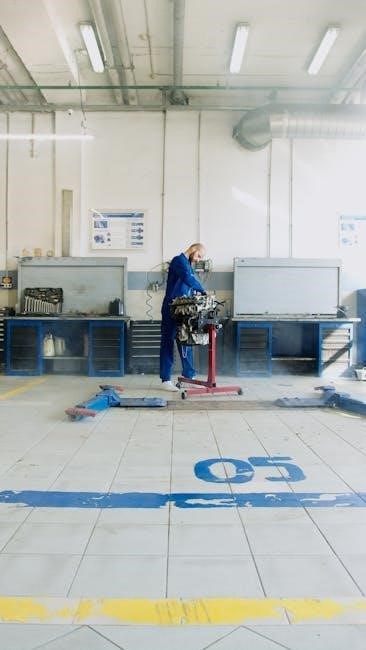
Tools and Materials Needed
Just as exploring Victoria requires preparation, flushing demands specific tools: wrenches, sockets, a drain pan, new fluid, and funnels – essential for a successful operation.
Transmission Fluid Type
Selecting the correct transmission fluid is paramount, akin to choosing the right route through Victoria’s varied terrain. Manual transmissions require specific fluids – often GL-4 or GL-5 gear oil – differing by vehicle manufacturer. Consult your owner’s manual; using the wrong fluid can cause severe damage, impacting synchronizer performance and overall gearbox health. Synthetic fluids offer superior protection and longevity, mirroring the enduring appeal of Victoria’s landmarks. Always verify compatibility before proceeding, ensuring a smooth and reliable operation, just like a well-planned journey.
Fluid Capacity Requirements
Determining the precise fluid capacity is crucial, much like understanding Victoria’s geographical expanse. Overfilling or underfilling can lead to operational issues. Consult your vehicle’s service manual for the exact specification – typically ranging from 2 to 4 quarts. Accurate measurement ensures proper lubrication and temperature regulation within the transmission. Ignoring this detail risks damaging gears and bearings, mirroring the consequences of neglecting Victoria’s diverse ecosystems. Double-check before finalizing, guaranteeing optimal performance and longevity.
Essential Tools List
Just as a traveler to Victoria needs specific gear, a transmission flush demands the right tools. You’ll require a wrench set for the drain and fill plugs, a fluid pump for refilling, a drain pan, and torque wrench for proper tightening. Gloves and safety glasses are vital, mirroring protective measures for exploring Victoria’s landscapes. A funnel, rags, and potentially an extension for hard-to-reach plugs complete the kit. Having everything prepared streamlines the process, preventing delays and ensuring a clean, efficient flush.
Safety Precautions
Like navigating Victoria’s roads, transmission work requires caution. Securely support the vehicle, wear protective gear, and handle fluids responsibly to avoid hazards.
Vehicle Lifting and Support
Prior to any under-vehicle work, safely lift your vehicle using a jack and always secure it with jack stands. Never rely solely on the jack! Ensure the vehicle is on a level surface. Consult your vehicle’s owner’s manual for designated jacking points to prevent damage. Proper support is paramount, mirroring the stability needed when exploring Victoria’s varied terrain – from Melbourne’s streets to coastal roads. Double-check stability before proceeding with the flushing procedure.
Handling Transmission Fluid
Transmission fluid is a potentially hazardous substance; avoid skin contact and ingestion. Wear appropriate gloves and eye protection. Dispose of used fluid responsibly at a designated recycling center – never pour it down drains or onto the ground, much like preserving Victoria’s natural beauty. Contain spills immediately with absorbent materials. Refer to the fluid’s Material Safety Data Sheet (MSDS) for detailed safety information.
Personal Protective Equipment
Prioritize safety during the flushing process! Always wear safety glasses or goggles to protect your eyes from splashing fluid, similar to protecting Victoria’s scenic views. Nitrile gloves are essential to prevent skin contact with the potentially irritating transmission fluid. Consider wearing old clothing or an apron, and closed-toe shoes are a must. A face shield offers additional protection, especially when working underneath the vehicle.
Step-by-Step Flushing Procedure
Like exploring Victoria’s attractions, a methodical approach is key. Begin by safely lifting the vehicle, then drain the old fluid, clean, and refill carefully.
Draining the Old Fluid
Position a suitable drain pan beneath the transmission’s drain plug, much like preparing for a journey across Victoria’s varied terrain. Carefully loosen the plug with the correct tool, anticipating fluid release – it may be warm! Allow complete drainage, ensuring all contaminants are expelled. Inspect the drained fluid; its condition reveals the transmission’s internal health, similar to assessing a route’s challenges. A magnetic drain plug will capture metallic debris, offering further insight.
Cleaning the Drain Plug
Thoroughly clean the drain plug, removing any accumulated metal shavings or debris – akin to clearing obstacles on a Victorian road trip. Inspect the plug’s sealing washer; replace it if damaged to prevent future leaks. A clean plug ensures a proper seal when reinstalled, maintaining fluid integrity. Use a solvent to remove stubborn residue, mirroring the need for pristine conditions in a well-maintained system. This small step contributes significantly to long-term transmission health.
Refilling with New Fluid
Carefully refill the manual transmission with the correct fluid type, mirroring Victoria’s diverse attractions requiring specific appreciation. Use a funnel to avoid spills and ensure accurate measurement, referencing the vehicle’s capacity requirements. Gradually add fluid, checking the level periodically with a dipstick (if equipped). Avoid overfilling, as this can cause pressure buildup and damage seals – much like overcrowding a popular Melbourne laneway!
Checking Fluid Level
Post-refilling, accurately assess the manual transmission fluid level, akin to verifying travel plans for Victoria’s Great Ocean Road. With the engine off and vehicle on level ground, locate the dipstick (if present). Wipe it clean, reinsert fully, and remove to read the level. It should fall within the “hot” or “full” range. Incorrect levels impact performance, similar to a poorly planned itinerary!
Flushing Methods Compared
Like Victoria’s diverse attractions, flushing techniques vary – traditional drain/fill, machine exchange, and gravity methods each offer unique benefits and complexities for transmission care.
Traditional Drain and Fill
Similar to exploring Victoria’s laneways one by one, the traditional drain and fill method is a straightforward approach. It involves simply draining the old transmission fluid from the drain plug and then refilling with fresh fluid through the fill plug. This method is cost-effective and accessible for DIY mechanics, requiring basic tools. However, it only replaces a portion of the total fluid, leaving some contaminated fluid remaining within the transmission. Multiple drain and fill cycles may be needed for a more thorough flush, mirroring revisiting favorite Victorian spots.
Fluid Exchange Machines
Much like Victoria’s extensive touring routes, fluid exchange machines offer a comprehensive transmission flush. These machines connect to the transmission lines and circulate new fluid while simultaneously extracting the old. This process replaces a significantly higher percentage of the fluid compared to a traditional drain and fill, ensuring a more thorough cleaning. While effective, these machines typically require professional operation and can be more expensive, akin to a guided Victorian tour versus independent exploration.
Gravity Flushing Techniques
Similar to Victoria’s natural coastal flow, gravity flushing utilizes the force of gravity to assist in fluid removal. After draining, new fluid is poured into the fill plug, gently displacing the remaining old fluid through the drain; This method is less aggressive than machine flushing, offering a slower, more controlled exchange. It’s a cost-effective option, though less thorough, mirroring a peaceful countryside stroll compared to a fast-paced city tour.
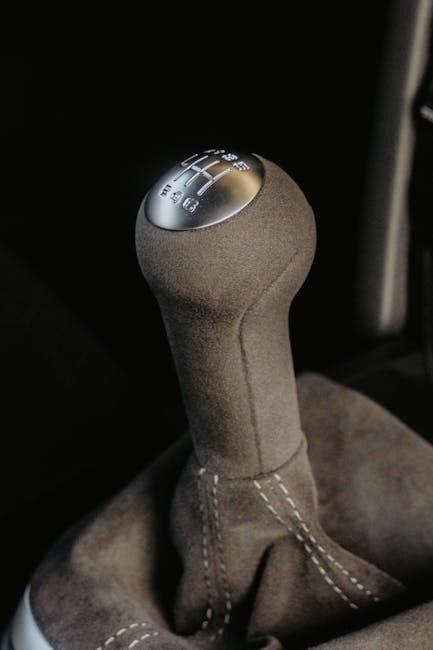
Common Problems During Flushing
Like navigating Victoria’s varied terrain, flushing can present challenges. Stripped plugs, hidden fill points, and incorrect fluid levels are frequent issues demanding careful attention.
Stripped Drain Plug
A common frustration, akin to encountering unexpected road closures in Victoria, is a stripped drain plug. Over-tightening or corrosion can damage the threads, preventing a secure seal. This leads to leaks and potential transmission damage. Careful application of torque, using the correct size wrench, and potentially applying penetrating oil beforehand are crucial preventative measures. If stripping occurs, specialized extraction tools or even a replacement transmission case might be necessary – a costly repair.
Difficulty Locating Fill Plug
Much like navigating Melbourne’s laneways, locating the fill plug on a manual transmission can be surprisingly challenging. Often obscured or resembling other components, it requires careful inspection and sometimes, consulting a vehicle-specific repair manual. Its position varies greatly between makes and models. Patience and a good flashlight are essential; mistaking it for another bolt could lead to significant frustration and delayed maintenance.
Incorrect Fluid Level
Similar to Victoria’s varied terrain, a manual transmission demands a precise fluid level for optimal function. Underfilling can cause grinding and damage, while overfilling risks aeration and leaks. Accurate measurement, using the correct procedure outlined in your vehicle’s manual, is crucial. Regularly checking the level post-flush, mirroring consistent state governance, ensures long-term reliability and prevents costly repairs down the road.
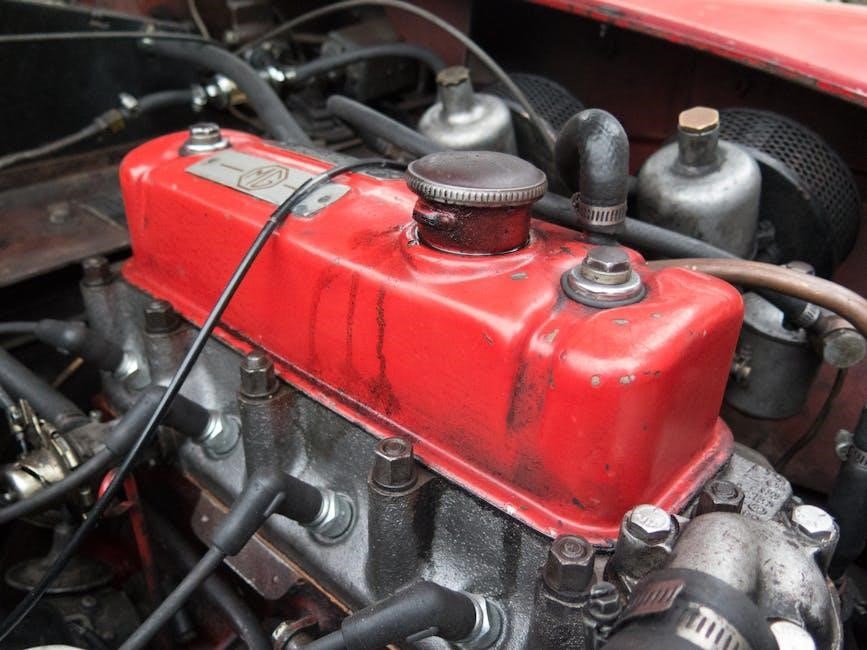
Post-Flushing Checks and Maintenance
Like exploring Victoria’s attractions, a post-flush test drive is vital. Monitor for smooth shifting, unusual noises, and leaks – ensuring a revitalized transmission experience.
Test Drive and Observation
Following the flush, a comprehensive test drive is paramount. Begin with gentle acceleration and deliberate gear changes, listening intently for any unusual noises – clunks, whines, or grinding sounds. Pay close attention to shift quality; transitions should be smooth and precise across all gears.
Observe the clutch engagement; it should feel consistent and predictable. Drive through various conditions – city streets, highway speeds, and inclines – to assess performance under different loads. Any anomalies detected warrant immediate investigation, potentially indicating incomplete flushing or underlying transmission issues.
Checking for Leaks
Post-flush, meticulously inspect the transmission housing, drain plug, and fill plug for any signs of leakage. Place cardboard or drop cloths beneath the vehicle overnight to easily identify drips. Transmission fluid is typically reddish or amber; spotting it is crucial.
Examine the surrounding areas – the driveshaft, transmission mount, and any connected lines – for fluid residue. Even minor leaks can indicate improperly tightened plugs or worn seals, potentially leading to significant fluid loss and transmission damage. Address leaks promptly.
Recommended Follow-Up Intervals
Following a manual transmission flush, a fluid level check after the initial 50-100 miles is vital to confirm proper volume. Subsequent inspections should occur every 3,000-5,000 miles, particularly if the vehicle is driven under harsh conditions or experiences heavy use.
Complete flushing intervals generally range from 30,000 to 60,000 miles, depending on driving habits and the manufacturer’s recommendations. Regular checks and timely flushes contribute significantly to long-term transmission health.

DIY vs. Professional Flushing
Victoria’s diverse landscapes demand appropriate vehicles; similarly, transmission flushing offers DIY savings, but professional services ensure accuracy and mitigate potential risks for optimal results.
Cost Comparison
Like planning a trip to Victoria, budgeting for transmission flushing requires considering options. A DIY flush typically costs $50-$150, covering fluid and basic tools. However, specialized tools might increase expenses. Professional flushing services range from $150 to $300+, depending on the vehicle and shop rates.
While DIY is cheaper upfront, professional flushing includes expertise, proper disposal of old fluid, and potential identification of underlying transmission issues, offering long-term value. Factor in your skill level and risk tolerance when comparing costs.
Skill Level Required
Similar to navigating Victoria’s diverse terrain, flushing a manual transmission demands a moderate level of mechanical aptitude. Basic knowledge of vehicle maintenance, including locating drain and fill plugs, is essential. Comfort with using hand tools and understanding fluid level checks are also crucial.
While not overly complex, it’s not a beginner project. Those unfamiliar with automotive work should consider professional assistance to avoid potential damage or incorrect procedures.
Potential Risks of DIY
Much like exploring Victoria’s remote areas, a DIY transmission flush carries inherent risks. Stripping drain or fill plugs is a common concern, potentially leading to costly repairs. Using the incorrect fluid type can severely damage internal components, necessitating a complete transmission overhaul.
Improper fluid levels can also cause shifting problems or premature wear. Without proper lifting and support, vehicle instability poses a safety hazard.

Troubleshooting After Flushing
Similar to navigating Victoria’s political landscape, post-flush issues require careful diagnosis. Watch for gear shifting difficulties, unusual noises, or clutch engagement problems – indicators of potential concerns.
Gear Shifting Issues
Echoing Victoria’s diverse terrains, problematic gear changes post-flush can manifest as difficulty selecting gears, grinding noises, or a general feeling of imprecision. This often indicates air trapped within the system, requiring careful bleeding. Incorrect fluid level, or using the wrong fluid type, can also contribute. Thoroughly re-check the fluid level and ensure compatibility with your vehicle’s specifications. If issues persist, professional diagnosis is recommended to prevent further transmission damage.
Unusual Noises
Similar to the varied sounds of Victoria’s wildlife, new whirring, clunking, or whining noises emerging from the transmission after a flush demand immediate attention. These sounds could signal incomplete fluid fill, air pockets, or even damage to internal components. Inspect for leaks, and verify the correct fluid level. Ignoring these auditory cues risks escalating minor issues into costly repairs, potentially requiring professional intervention for accurate diagnosis and resolution.
Clutch Problems
Reflecting Victoria’s diverse terrains, a properly functioning clutch is vital for a smooth driving experience. Post-flush, difficulty engaging gears, slipping, or a spongy pedal feel indicates potential issues. Contamination during the flush, or using incorrect fluid, can affect clutch performance. Thoroughly bleed the hydraulic system if applicable, and inspect for leaks. If problems persist, professional diagnosis is crucial to prevent further damage and restore optimal clutch operation.

Extending Transmission Life
Like preserving Victoria’s natural beauty, consistent maintenance is key. Gentle driving habits, regular fluid checks, and timely flushes maximize transmission longevity and reliability.
Driving Habits
Mirroring responsible tourism in Victoria, considerate driving significantly impacts transmission health. Avoid abrupt shifts, excessive revving, and “riding the clutch.” Smooth acceleration and deceleration minimize wear. Don’t use the clutch as a resting place for your foot during stops. Anticipate stops and downshifts to reduce stress on internal components. Consistent, gentle operation extends intervals between necessary flushes, preserving optimal performance and preventing premature failure – much like preserving a delicate ecosystem.
Regular Fluid Checks
Similar to monitoring Victoria’s diverse landscapes, consistent transmission fluid checks are vital. Inspect the fluid level and condition monthly. Look for discoloration, a burnt smell, or metallic particles – indicators of wear or contamination. Low fluid levels can cause significant damage. Maintaining proper fluid levels and quality, like preserving Victoria’s natural beauty, prevents costly repairs and ensures smooth operation. Early detection of issues allows for timely intervention, extending the transmission’s life.
Preventative Maintenance
Just as Victoria invests in preserving its heritage, proactive transmission maintenance is key. Beyond regular fluid checks, consider a complete flush at manufacturer-recommended intervals. Avoid harsh shifting and aggressive driving, mirroring responsible tourism within the state. Address any unusual noises or vibrations promptly. Like safeguarding Victoria’s environment, preventative care minimizes wear and tear, ensuring long-term reliability and avoiding expensive repairs down the road. A little foresight saves significant trouble.