IPL Hair Removal Instructions: A Comprehensive Guide
IPL hair removal utilizes selective photothermolysis, targeting melanin in hair follicles with broad-spectrum light. This heats follicles to 60°C, disrupting hair growth, offering a safe and professional method for permanent hair removal.
Understanding IPL Technology
Intense Pulsed Light (IPL) represents a significant advancement in non-laser hair removal technology. Unlike lasers which emit a single wavelength of light, IPL devices release a broad spectrum of light wavelengths. This polychromatic nature allows IPL to address a wider range of skin tones and hair colors, though effectiveness varies. The core principle behind IPL lies in its ability to selectively target chromophores – substances that absorb light – within the hair follicle.
Specifically, IPL focuses on melanin, the pigment responsible for hair color. When the IPL device is activated, the light energy is absorbed by the melanin in the hair shaft and follicle. This absorption converts the light energy into heat, effectively damaging the hair follicle and inhibiting future hair growth. It’s crucial to understand that IPL doesn’t deliver a single, powerful burst; instead, it utilizes multiple pulses of light, allowing for a more controlled and comfortable treatment experience.
Modern IPL devices, like the Ulike Air 3 Series, incorporate advanced features such as skin tone sensors and adjustable intensity levels to optimize treatment parameters and minimize the risk of adverse effects. The technology is continually evolving, with newer systems offering improved efficacy and safety profiles.
How IPL Works: Selective Photothermolysis
Selective photothermolysis is the foundational principle driving IPL hair removal’s effectiveness. This scientifically-backed method centers on targeting specific chromophores – in this case, melanin within the hair follicle – while leaving surrounding tissue unharmed. The “selective” aspect is paramount; IPL devices are calibrated to emit wavelengths of light that are preferentially absorbed by melanin, maximizing heat delivery to the follicle.
When the IPL device emits its pulsed light, the melanin molecules absorb the energy, rapidly increasing the temperature within the hair follicle. This heat, reaching approximately 60°C as noted in recent studies, disrupts the protein structures essential for hair growth. The follicle becomes damaged, hindering its ability to produce new hair. Crucially, the surrounding skin isn’t significantly affected due to the lower melanin concentration.
The effectiveness of selective photothermolysis relies on a sufficient contrast between hair color and skin tone. Darker hair, containing more melanin, absorbs light more readily, leading to more successful results. This process isn’t instantaneous; multiple sessions are required to target hair follicles in different growth stages, ensuring comprehensive hair reduction.
Melanin’s Role in IPL Effectiveness
Melanin, the pigment responsible for hair and skin color, is the key to IPL hair removal’s success. IPL technology fundamentally relies on melanin’s ability to absorb light energy. The more melanin present in the hair follicle, the more effectively the IPL device can target and disrupt hair growth.

During an IPL session, broad-spectrum light is emitted, and the melanin within the hair shaft acts like a magnet, drawing in this light energy. This absorbed energy is converted into heat, which damages the hair follicle and inhibits future growth. Consequently, individuals with darker hair shades generally experience more noticeable and lasting results, as their hair contains a higher concentration of melanin.
However, skin tone also plays a crucial role. While melanin in hair is the target, excessive melanin in the skin can compete for light absorption, reducing the energy delivered to the follicle. This is why individuals with darker skin tones require careful device calibration and potentially more sessions to achieve optimal results. The principle of selective photothermolysis hinges on maximizing the difference in melanin concentration between hair and skin.
IPL vs. Laser Hair Removal: Key Differences
Both IPL (Intense Pulsed Light) and laser hair removal aim to reduce unwanted hair, but they employ distinct technologies. Laser hair removal utilizes a single wavelength of light, precisely targeting melanin within the hair follicle. This focused approach often results in more powerful and potentially longer-lasting hair reduction, particularly for those with lighter skin and darker hair.
IPL, conversely, emits a broad spectrum of light wavelengths simultaneously. While still targeting melanin, this broader range means IPL is less focused and may require more sessions to achieve comparable results to laser. However, IPL’s versatility allows it to address other skin concerns like pigmentation and redness alongside hair removal.
Generally, laser is considered more effective for permanent hair reduction, while IPL offers a gentler, more multi-purpose treatment. IPL can be a better option for individuals with darker skin tones, as the broader spectrum reduces the risk of hyperpigmentation compared to the concentrated energy of a laser. Ultimately, the best choice depends on individual skin type, hair color, and desired outcomes.
Preparing for Your IPL Session
Skin tone and hair color impact IPL effectiveness; avoid sun exposure beforehand. Shaving is often necessary, ensuring the device targets the follicle directly for optimal results.
Skin Tone and Hair Color Compatibility
IPL hair removal is most effective when there’s a significant contrast between skin tone and hair color. The technology targets melanin, the pigment responsible for hair and skin color. Darker hair absorbs more light energy, leading to more efficient follicle disruption. However, darker skin tones also contain more melanin, which can absorb a substantial portion of the light energy before it reaches the hair follicle.
This absorption in the skin can reduce the treatment’s effectiveness and potentially increase the risk of side effects like hyperpigmentation (darkening of the skin) or hypopigmentation (lightening of the skin). Therefore, individuals with very dark skin tones may not be ideal candidates for traditional IPL.
Conversely, IPL is generally less effective on light-colored hair – blonde, red, or gray – because these hair types contain less melanin for the IPL device to target. The device needs sufficient pigment to lock onto and deliver the heat necessary to damage the hair follicle. Newer IPL devices with adjustable settings and filters are expanding the range of compatible skin tones and hair colors, but a consultation with a qualified professional is crucial to determine suitability and minimize risks.
Fitzpatrick skin types I-IV generally respond well to IPL, while those with types V and VI require careful assessment and potentially alternative hair removal methods.
Pre-Treatment Skin Preparation
Proper skin preparation is paramount for a safe and effective IPL hair removal session. Begin by thoroughly cleansing the treatment area to remove any lotions, creams, makeup, or deodorant. These products can interfere with light absorption and potentially cause uneven heating or skin irritation.
Exfoliating the skin gently a few days before your appointment can help remove dead skin cells, allowing the IPL light to penetrate more effectively. However, avoid harsh scrubs or chemical peels immediately before treatment, as this can increase sensitivity. It’s crucial to avoid self-tanners or spray tans for at least two weeks prior to your session, as these artificially darken the skin and can lead to unpredictable results, including burns or discoloration.
Hydrating the skin is also important, but avoid applying any moisturizers or oils on the day of treatment. Ensure the skin is completely dry. Discuss any medications you are taking with your practitioner, as some can increase photosensitivity. A patch test may be recommended, especially for individuals with darker skin tones, to assess skin reaction and optimize settings.
Following these steps will maximize the treatment’s efficacy and minimize the risk of adverse effects, ensuring a smoother and more comfortable experience.
Avoiding Sun Exposure Before Treatment
Minimizing sun exposure before IPL hair removal is absolutely critical for both safety and optimal results. The principle behind IPL – selective photothermolysis – relies on the contrast between melanin in the hair follicle and the surrounding skin. Tanned skin contains increased melanin, making it difficult for the IPL device to accurately target the hair and significantly increasing the risk of burns, blisters, or hyperpigmentation.
Ideally, you should avoid direct sun exposure, tanning beds, and self-tanning products for at least four to six weeks before your treatment. If complete avoidance isn’t possible, diligent sun protection is essential. This includes using a broad-spectrum sunscreen with an SPF of 30 or higher, wearing protective clothing, and seeking shade during peak sun hours.
Even a mild sunburn can postpone your appointment. Your practitioner will likely assess your skin tone during a consultation and may reschedule if you have recent sun exposure. Remember, protecting your skin isn’t just about preventing discomfort; it’s about ensuring the IPL treatment is effective and doesn’t cause lasting damage.
Shaving Before IPL: Is it Necessary?
Yes, shaving the treatment area 24-48 hours before your IPL hair removal session is generally recommended, and often a mandatory part of pre-treatment instructions. This isn’t about removing the hair permanently – IPL targets the follicle under the skin. The goal is to eliminate surface hair that could potentially scatter the light energy, reducing the treatment’s effectiveness and increasing the risk of superficial burns.
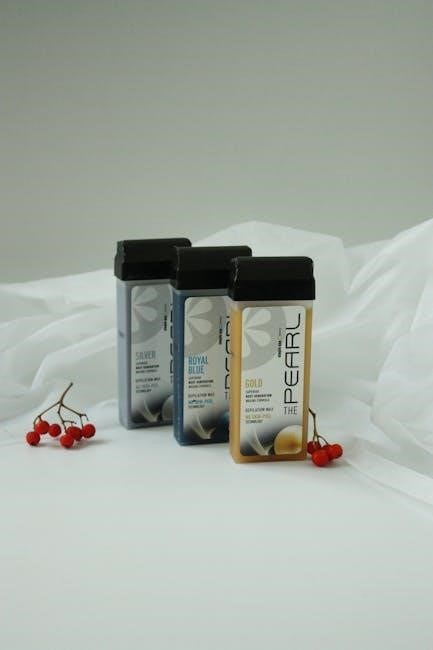
Leaving longer hair in place can also make the treatment more uncomfortable. The IPL device targets the melanin within the hair shaft, and longer hairs absorb more energy, potentially causing a snapping sensation. Shaving ensures the light energy is focused on the follicle itself, maximizing its impact.
However, waxing, epilating, or threading should be avoided for several weeks before treatment, as these methods remove the hair root, disrupting the IPL’s ability to target the melanin. Simply shaving provides a safe and effective way to prepare the skin for optimal results, ensuring the selective photothermolysis process works efficiently.
The IPL Treatment Process
IPL devices deliver broad-spectrum light absorbed by melanin, heating hair follicles to 60°C. Correct device application, adjusted intensity levels, and treating various body areas are crucial.
Device Settings and Intensity Levels
Selecting appropriate device settings is paramount for both effective IPL hair removal and ensuring skin safety. Most IPL devices feature adjustable intensity levels, often numerically indicated or represented by color-coded indicators. Starting with the lowest intensity setting is universally recommended, particularly for first-time users or individuals with sensitive skin. This allows for a gradual assessment of skin tolerance and minimizes the risk of adverse reactions like redness, irritation, or even burns.
Gradually increasing the intensity level with each subsequent session is a common practice, as skin becomes accustomed to the light energy. However, it’s crucial to avoid exceeding a level that causes discomfort or visible skin changes. Factors influencing the optimal intensity level include skin tone, hair color, and the specific area being treated. Darker skin tones generally require lower intensity settings to prevent hyperpigmentation, while lighter skin tones and dark hair typically respond well to higher settings.
Always refer to the device’s user manual for specific guidance on recommended settings based on your skin and hair characteristics. Some advanced devices incorporate skin tone sensors that automatically adjust the intensity level for optimal and safe treatment. Consistency in using the same intensity level across treated areas during a single session is also important for uniform results.
Applying the IPL Device Correctly
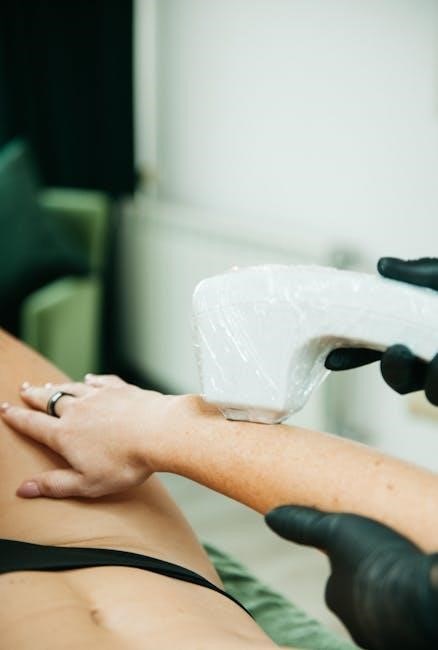
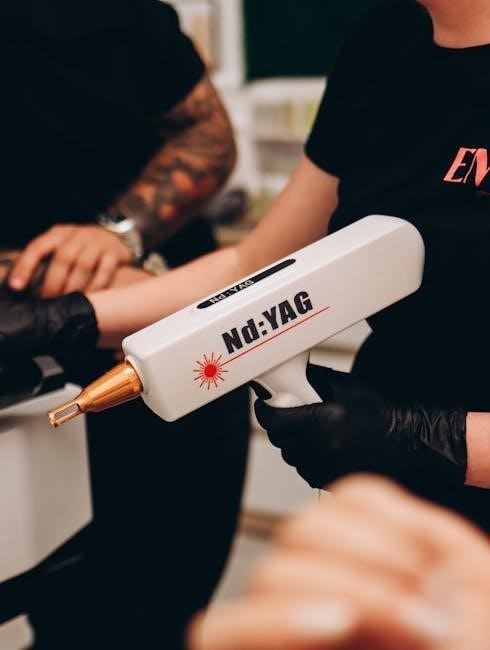
Proper application technique is crucial for maximizing the effectiveness of IPL hair removal and minimizing potential risks. Before each pulse, ensure the device’s treatment window is in complete and direct contact with the skin. Avoid sliding the device across the skin; instead, lift and reposition it for each individual pulse. This “stamp” method ensures adequate energy delivery to each targeted hair follicle.
Maintain a 90-degree angle between the device and the skin surface for optimal light penetration. Overlapping treated areas slightly with each pulse is recommended to ensure complete coverage and address any potentially missed follicles. Avoid treating the same spot multiple times consecutively, as this can increase the risk of skin irritation or burns.
Follow the device’s recommended pulse pattern for each body area, as larger areas may require a wider spacing between pulses than smaller, more sensitive regions. Always ensure the skin is clean, dry, and free of any lotions or creams before treatment. Consistent and precise application, adhering to the manufacturer’s guidelines, will yield the best possible results.
Pain and Sensation During Treatment
The sensation experienced during IPL hair removal varies significantly depending on individual pain tolerance and the intensity level selected. Most individuals describe the sensation as a mild snapping feeling, similar to a rubber band gently flicking against the skin. Lower intensity levels are generally painless or cause only minimal discomfort, making them suitable for first-time users or those with sensitive skin.
As the intensity level increases, the sensation may become more noticeable, but it should still remain tolerable. Some individuals may experience a warming sensation or a slight stinging feeling during the pulse. Cooling features, often integrated into IPL devices, help to mitigate discomfort by cooling the skin before, during, and after each pulse.
If you experience significant pain or discomfort, immediately reduce the intensity level or discontinue treatment. It’s crucial to listen to your body and adjust the settings accordingly. Redness and mild swelling are common immediately following treatment, but these typically subside within a few hours.
Treating Different Body Areas
IPL hair removal is versatile and can be used on many body areas, but adjustments are often needed for optimal results and comfort. Areas with thicker hair and more sensitive skin, like the bikini line and underarms, typically require lower intensity settings initially. The face, particularly the upper lip, also benefits from a cautious approach due to its delicate skin.
Larger areas, such as legs and back, can generally tolerate higher intensity levels, allowing for faster treatment times. However, it’s still vital to start low and gradually increase the intensity as tolerated. When treating bony areas like ankles or shins, extra care should be taken as these areas can be more sensitive.
Always follow the device’s specific instructions for each body area. Some devices have pre-set modes tailored to different skin sensitivities. Remember to glide the device smoothly and consistently over the treatment area, ensuring full skin contact for effective energy delivery. Consistent coverage is key for successful hair reduction.

Post-Treatment Care and Expectations
Post-IPL, soothe skin with cool compresses. Expect mild redness or discomfort, managing it with aloe vera. Multiple sessions are crucial for long-term hair reduction and maintenance.
Immediate Aftercare: Soothing the Skin
Following your IPL hair removal session, your skin will likely be slightly red and potentially feel warm to the touch – this is perfectly normal and indicates the treatment is working. Immediate aftercare focuses on soothing the treated area and minimizing any potential discomfort. Applying a cool compress, such as a clean, damp cloth, can significantly reduce redness and provide a calming sensation. Avoid hot showers, baths, or any activities that increase your body temperature for at least 24 hours, as heat can exacerbate redness and inflammation.
It’s also beneficial to apply a gentle, fragrance-free moisturizer or aloe vera gel to hydrate the skin and promote healing. Avoid products containing harsh chemicals, fragrances, or exfoliants immediately after treatment, as these can irritate the skin. If you experience any minor swelling, it should subside within a few hours. Resist the urge to scratch or rub the treated area, as this could lead to irritation or infection. Protect the treated skin from direct sunlight by wearing loose-fitting clothing or applying a broad-spectrum sunscreen with a high SPF if sun exposure is unavoidable. Remember, proper aftercare is essential for optimal results and a comfortable recovery.
Potential Side Effects and How to Manage Them
While IPL hair removal is generally safe, some temporary side effects are possible. The most common is mild redness and swelling, resembling a slight sunburn, which typically subsides within a few hours to a couple of days. Some individuals may experience temporary skin sensitivity or mild discomfort during or immediately after the treatment. Rarely, temporary pigment changes – either darkening (hyperpigmentation) or lightening (hypopigmentation) – can occur, particularly in those with darker skin tones.
To manage redness and swelling, apply cool compresses and a soothing moisturizer. Avoid sun exposure and always use a broad-spectrum sunscreen. If pigment changes occur, they are usually temporary, but it’s crucial to inform your practitioner. Blistering is extremely rare but requires immediate medical attention. Avoid picking at any scabs that may form. If you experience any signs of infection, such as increased pain, pus, or fever, consult a doctor promptly. Following pre- and post-treatment instructions carefully minimizes the risk of side effects and ensures a safe and effective IPL experience.
Multiple Sessions: Why They’re Required
IPL hair removal doesn’t eliminate all hair follicles in a single session. Hair grows in cycles – anagen (active growth), catagen (transition), and telogen (resting). IPL is most effective on hair follicles in the anagen phase, as they contain more melanin, the pigment the light targets. Because only a percentage of hairs are in this phase at any given time, multiple sessions are necessary to catch all follicles as they enter the anagen stage.
Typically, a series of 6-8 sessions spaced 4-8 weeks apart is recommended for optimal results. Each session progressively reduces hair density and growth. The exact number of sessions varies depending on individual factors like hair color, skin tone, and the treatment area. Consistency is key; adhering to the recommended schedule maximizes the effectiveness of the treatment. Maintenance sessions, perhaps once or twice a year, may be needed to address any regrowth and prolong the smooth results achieved.
Long-Term Results and Maintenance
IPL offers a significant reduction in hair growth, often leading to long-term smoothness. While not always considered permanent hair removal in the strictest sense, the results are considerably longer-lasting than traditional methods like shaving or waxing. Many experience a substantial decrease in hair density, with remaining hairs becoming finer and lighter in color.
However, maintaining these results typically requires periodic maintenance sessions. Hormonal changes, age, and individual variations can cause some hair regrowth over time. These touch-up treatments, usually performed once or twice a year, address any new growth and help prolong the period of hair-free skin. Following post-treatment care instructions, like avoiding sun exposure and using sunscreen, also contributes to sustained results. Consistent skincare and a healthy lifestyle can further optimize the longevity of your IPL treatment.