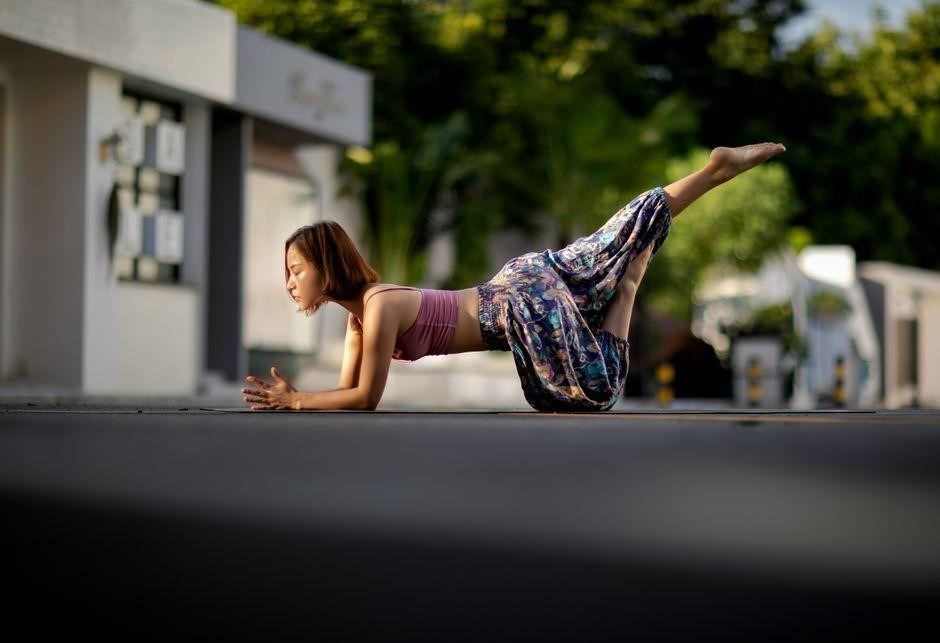
Overview of Vinyasa Flow Yoga
Vinyasa flow yoga sequences in PDF format offer structured, portable 60‑minute plans for teachers and students. They combine Sun Salutations, Warrior poses, and core stretches, enabling smooth breath‑synchronized transitions and easy modification for all levels. Ideal for practice, PDFs include cues
Definition and Core Principles of Vinyasa Flow
Vinyasa flow yoga, as defined in contemporary practice, is a dynamic sequence of postures linked by breath and movement. The term “vinyasa” originates from Sanskrit, meaning “to place in order” or “to arrange.” In a PDF sequence, each pose is carefully ordered to create a continuous, rhythmic flow that supports cardiovascular conditioning, muscular endurance, and mental focus. Core principles include breath‑synchronization, where inhalation and exhalation guide transitions; fluidity, ensuring that each movement leads naturally into the next; and mindfulness, encouraging practitioners to remain present and aware of bodily sensations. The PDF format allows teachers to distribute these sequences with clear visual cues, timing markers, and modification options, facilitating consistent practice across varied skill levels. By integrating Sun Salutations, Warrior variations, and core stretches, the flow builds heat, strengthens the core, and enhances flexibility, all while maintaining a meditative quality through controlled breathing and intentional movement. PDF layouts typically feature numbered steps, suggested hold times, and optional variations to accommodate different experience levels, ensuring that each flow remains accessible yet challenging. These PDFs often include QR codes linking to instructional videos, allowing students to verify alignment and deepen their practice beyond the printed guide. All of these features make the PDF valuable resources.
Advantages of Using PDF Sequences for Vinyasa
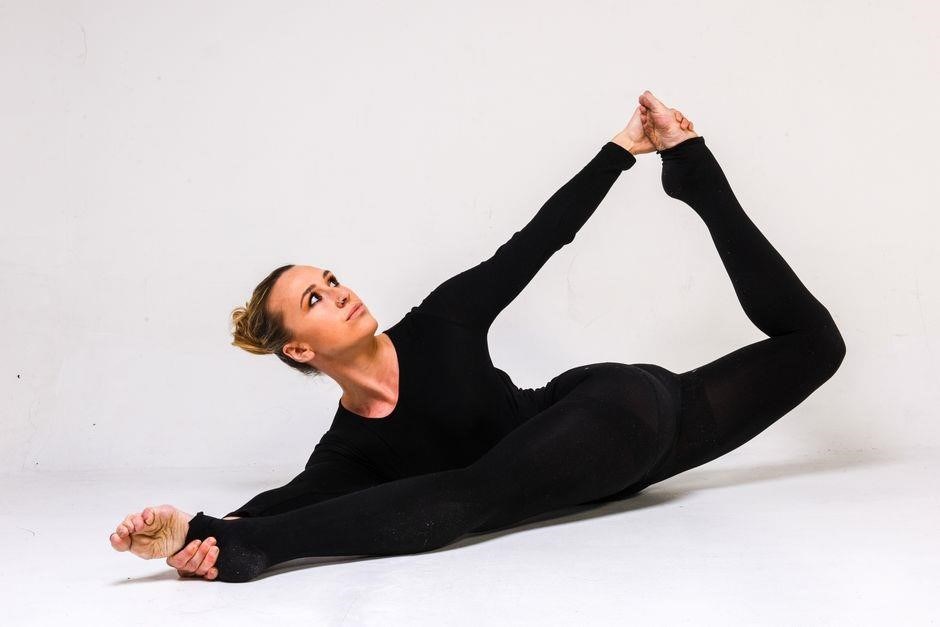
PDF sequences bring instant access, offline use, and easy sharing. They keep poses in order, offer timing cues, and allow quick reference during classes. Portable, printable, and customizable, PDFs support consistent practice and help teachers deliver clear, structured flows. They cut consistency!!
Convenience, Portability, and Structured Learning
PDF vinyasa flow guides excel in convenience, letting students download a single file and practice anywhere, even offline. The format eliminates the need for a physical book or a live instructor, making it ideal for home routines or travel. A well‑structured PDF lists poses sequentially with clear breath cues, allowing practitioners to follow the flow step by step without confusion.
Portability is another key advantage. A 60‑minute sequence can be stored on a phone, tablet, or laptop, and printed on demand, creating a consistent learning experience across different locations.
Structured learning is facilitated by the organized layout of PDF sequences. Each section—warm‑up, mid‑flow, and cool‑down—includes precise timing, recommended modifications, and transition tips. This systematic approach helps beginners build confidence while giving advanced students a clear roadmap for progression. The visual hierarchy of headings and bullet points guides the eye, making it easier to anticipate the next pose and maintain rhythm.
Because PDFs can be annotated, students often highlight key poses or add personal notes. This interactive element turns a static document into a dynamic training log, encouraging reflection after each session. Instructors can also provide downloadable PDFs with QR codes linking to video demonstrations, ensuring that students see the correct alignment before attempting the sequence.
Thus, a PDF sequence blends structure, accessibility, and personalization into one portable resource.
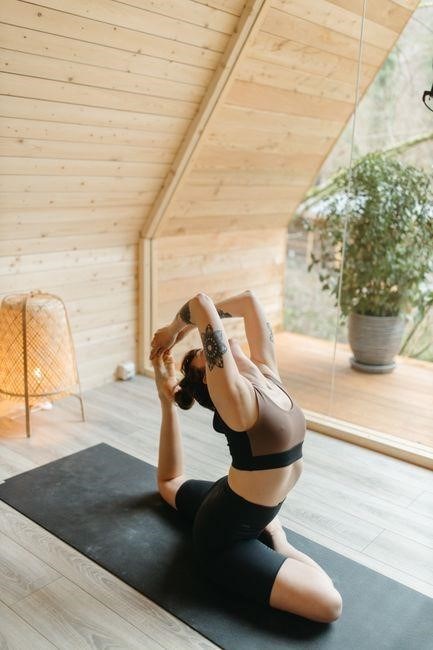
Key Vinyasa Poses Included in Common PDF Guides
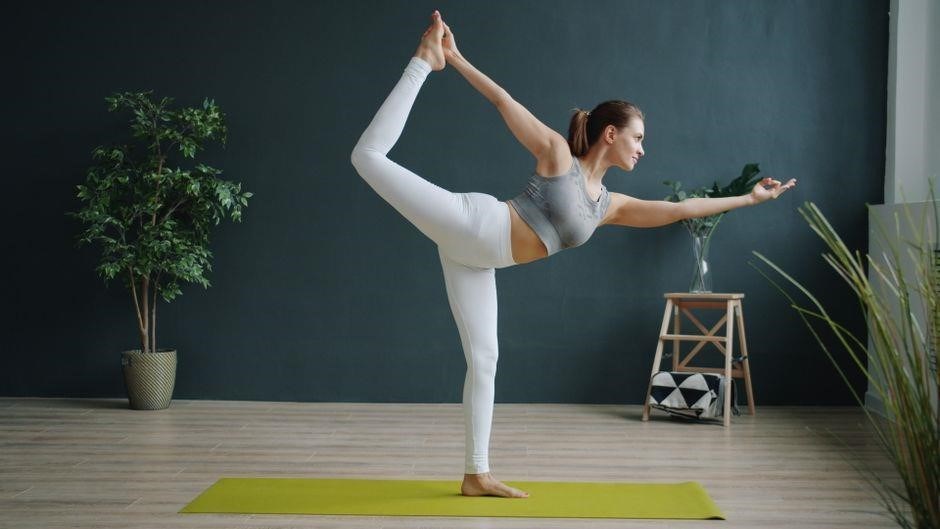
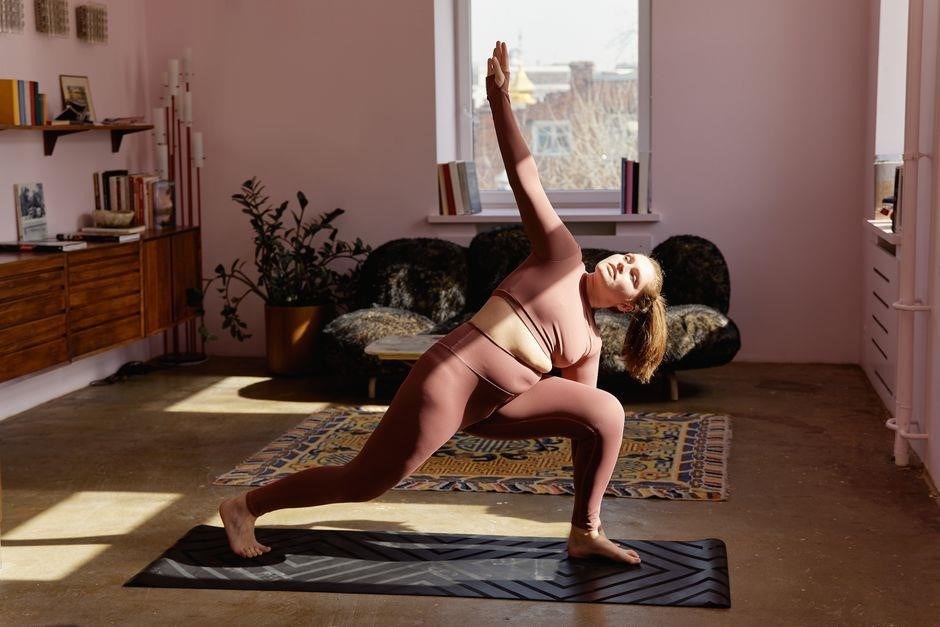
Common PDF vinyasa guides feature Sun Salutation A, Warrior I & II, Triangle, Tree, and Boat poses. Each sequence blends dynamic breath links, core engagement, and balanced inversions, ensuring a full‑body flow that builds strength, flexibility, and mind‑body focus for daily practice. and balance. flow
Sun Salutations, Warrior Variations, and Core Stretches
PDF vinyasa sequences typically open with a series of Sun Salutations (Surya Namaskar A & B) to warm the spine, shoulders, and hips. Each breath‑linked transition—inhale to upward dog, exhale to plank, inhale to chaturanga, exhale to downward dog—builds heat and rhythm. The next block introduces Warrior I, II, and III, with side‑stretch and back‑bend variations that target quadriceps, glutes, and thoracic mobility. A common PDF will list optional side‑arm or back‑bend modifications for beginners.
Core engagement follows, featuring Boat (Navasana), Side Plank (Vasisthasana), and Bicycle (Pavana Kriya) poses. These are arranged to maintain flow while strengthening abdominals, obliques, and hip flexors. Each pose includes breath cues and alignment reminders, allowing students to progress or pause as needed. The PDF layout often places the core section in the middle of the session, flanked by dynamic transitions that keep the heart rate elevated.
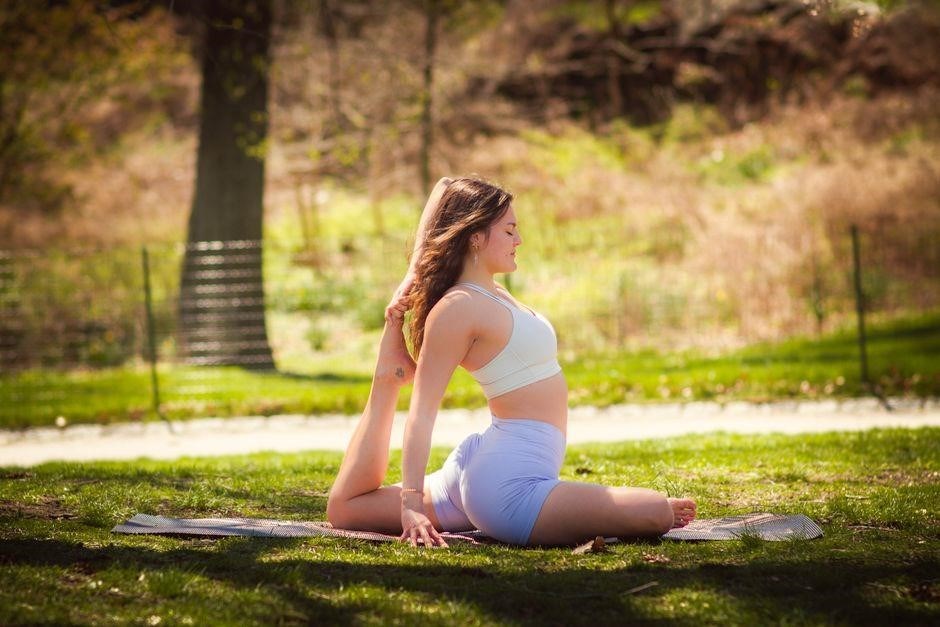
Finally, the PDF concludes with cool‑down stretches such as Pigeon (Eka Pāda Kūṭa), Cat‑Cow (Marjaryasana‑Bitilasana), and Savasana. These restorative poses help release tension, improve circulation, and promote relaxation after a vigorous vinyasa flow. The entire sequence is designed to be portable, easy to follow, and adaptable for all levels.
Students can also record their practice, noting breath counts and alignment cues, to track progress over weeks and adjust the PDF sequence for deeper focus or increased intensity and practice. daily.?!
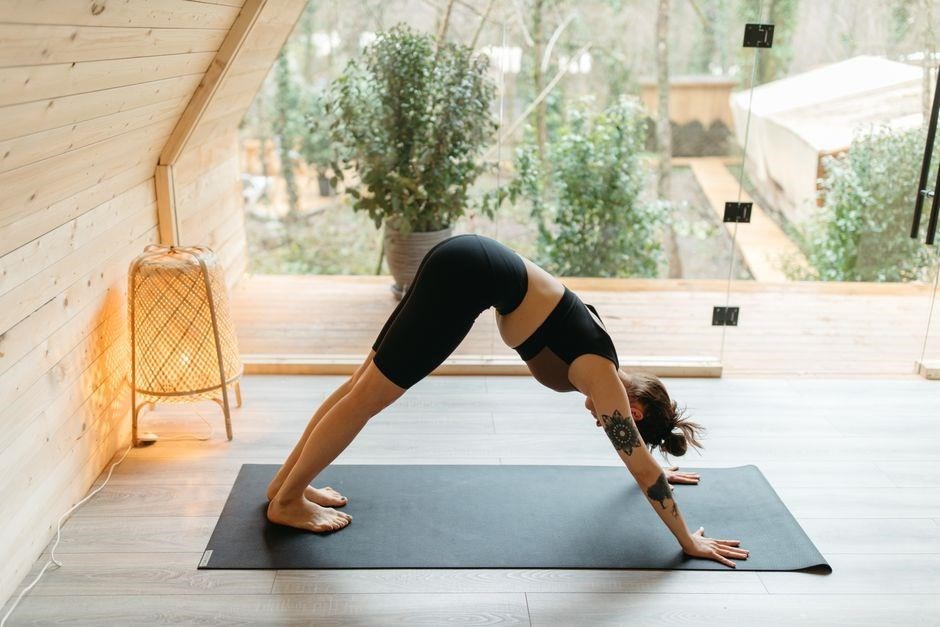
Sample 60‑Minute Vinyasa Flow PDF Layout
Warm‑up: 10 min Sun Salutations, 5 min gentle stretches. Mid‑flow: 30 min Warriors, core, and dynamic transitions, each 2‑3 min. Cool‑down: 10 min inversions, 5 min Savasana. Total 60 min, breath‑linked, adaptable for all levels Ideal for all levels, flow
Warm‑Up, Mid‑Flow, Cool‑Down Segments with Timing
Begin with a gentle 5‑minute seated breath series, followed by 5 minutes of dynamic Sun Salutation A to awaken the spine and joints. Transition into 10 minutes of standing postures—Warrior I, II, and III—each held for 30 seconds with controlled exhalations. Next, allocate 15 minutes to core‑centric movements: Boat, Plank, and Side Plank variations, interspersed with 2‑minute restorative bridges. The mid‑flow culminates in a 10‑minute balance circuit featuring Tree, Eagle, and Half Moon, each held for 45 seconds to cultivate stability. Conclude with a 10‑minute cool‑down: 5 minutes of seated forward folds, 3 minutes of gentle twists, and a 2‑minute guided Savasana, encouraging mindful integration of the practice. Each segment’s timing is designed to sync with a steady Vinyasa rhythm, ensuring a cohesive flow that balances strength, flexibility, and breath awareness. The sequence also incorporates 3 minutes of gentle hip openers such as Pigeon and Bound Angle, allowing for deeper release before the final cooldown. A brief 2‑minute meditation on breath anchors the practitioner, fostering mental clarity. Finally, a 3‑minute gratitude practice concludes the flow, reinforcing a sense of completion and well‑being. Throughout the flow, the instructor cues the practitioner to align the shoulders away from the ears, engage the core, and maintain a steady inhale on the upward movement and exhale on the downward. The rhythm of 5 breaths per pose creates a steady pulse that supports cardiovascular endurance while preserving joint integrity. For those seeking a deeper challenge, a 4‑minute series of advanced inversions such as Headstand or Handstand can be inserted after the balance circuit, provided the practitioner has sufficient strength and stability. This structure ensures a balanced practice that nurtures both body andmind, and focus.
How to Access and Download Vinyasa PDF Sequences
Visit official yoga sites, teacher portals, or free download hubs. Search “Vinyasa flow PDF” on platforms like Yoga Journal, Kundalini, or PDF libraries. Click the download icon, save to device, and open with any PDF reader. Enjoy. Save the PDF to a cloud folder, sync with your calendar, and set reminders!
Official Yoga Platforms, Teacher Resources, and Free Downloads
Official yoga platforms such as Yoga Journal, Kundalini Yoga, and Yoga International host downloadable Vinyasa flow PDF sequences tailored for both beginners and advanced practitioners. Teacher resources on the International Association of Yoga Therapists (IAYT) and the Yoga Alliance offer vetted PDFs that include detailed pose instructions, alignment cues, and sequencing logic. Free downloads can be found on sites like PDF Yoga, MyYogaWorks, and the free section of the Kundalini app, where instructors share their own 60‑minute flows. To access these files, create a free account on the platform, navigate to the “Resources” or “Downloads” tab, and search for “Vinyasa flow PDF.” Many sites require a short email confirmation, after which the PDF can be downloaded directly or sent to your device via email. For those who prefer a mobile experience, most platforms provide a responsive PDF viewer or a companion app that allows offline access. Once downloaded, you can print the sequence, annotate it with your own modifications, or upload it to a cloud storage service for easy sharing with students. Always verify that the PDF is from a reputable source to ensure accurate alignment and safety instructions. By bookmarking the PDF link, you can quickly launch the sequence during class, and instructors can share updates or new variations without re‑uploading the entire file. Additionally, many platforms allow you to embed the PDF directly into your class website or LMS, ensuring students always have the most up‑to‑date version at hand.—now!!!
Tips for Practicing Vinyasa from PDF Sequences
Use the PDF as a visual guide, aligning breath with each transition. Mark key poses for quick reference. Practice in a calm space, following the sequence order to build flow. Adjust tempo for your level, and note modifications for future sessions!!
Breath Synchronization, Mindful Transitions, and Modification Options
When working from a Vinyasa Flow PDF,begin by setting a steady inhale‑exhale rhythm that matches the sequence’s tempo. Each pose should be entered on an inhale and released on an exhale, allowing the breath to guide the flow and maintain focus. Use the PDF’s numbered cues to time transitions; pause briefly at each marker to reset breathing before moving to the next posture. Mindful transitions are crucial—avoid rushing; instead, flow smoothly from one pose to the next, using the breath as a bridge. This practice cultivates presence and reduces injury risk. Modification options are often listed beside each pose in the PDF. For beginners, shorter holds or supported variations (e.g., using a block or wall) can be substituted. Advanced students may extend hold times or add arm balances, but always keep the breath steady. The PDF’s side notes may suggest alternate alignments for hip‑openers or back‑bends, ensuring accessibility for all body types. By integrating breath synchronization, mindful transitions, and flexible modifications, practitioners can personalize the Vinyasa Flow PDF to fit their skill level, physical condition, and training goals, creating a sustainable and enjoyable practice. Practitioners should also note that the PDF often includes optional props and alignment diagrams, which help in visualizing the correct posture. By reviewing these diagrams before stepping onto the mat, one can anticipate adjustments needed for spinal alignment, shoulder stability, and hip depth. Consistent practice with the PDF sequence builds muscle memory, enabling smoother flow over time
Resources for Creating Custom Vinyasa PDF Sequences
Use free tools like Canva, Adobe InDesign, or Google Slides to design. Templates from Yoga Journal or Vinyasa Flow sites offer pose libraries. Export as PDF, add breath cues, and share. Keep alignment notes concise, and test on a small group before publishing. Include a title page, duration, and level easy!
Software Tools, Template Libraries, and Publishing Guides
Creating a Vinyasa flow PDF starts with selecting the right software. Canva offers drag‑and‑drop layouts and a library of pose icons, while Adobe InDesign provides precise typography control for advanced designers. Google Slides is a free, cloud‑based alternative that allows real‑time collaboration and easy PDF export. Once the tool is chosen, designers can pull from curated template libraries. Yoga Journal’s free pose library, Vinyasa Flow’s downloadable PDF templates, and the Yoga Alliance repository provide ready‑made sequences that can be customized for beginner, intermediate, or advanced levels. When assembling the sequence, keep the following publishing guidelines in mind: 1) Use a clear title page with class name, duration, and level. 2) Include a brief warm‑up, mid‑flow, and cool‑down section with time stamps. 3) Add breath cues next to each pose for synchronized inhalation and exhalation. 4) Provide modification options in parentheses to accommodate injuries or flexibility limits. 5) Export the final design as a high‑resolution PDF, ensuring all images are embedded and fonts are embedded or converted to outlines. 6) Test the PDF on multiple devices to confirm layout consistency. By following these steps, teachers can produce professional, portable Vinyasa flow guides that are both visually appealing and functionally robust. Instructors can add breathwork, pauses, and dynamic transitions to deepen flow for all levels. daily.