

Preface
In this manual, the author outlines foundational principles for designing regenerative systems, emphasizing observation, pattern recognition, and ethical stewardship. It serves as a guide for practitioners to create resilient, productive landscapes worldwide. It offers steps for sustainable eco living.
Permaculture, as defined by Bill Mollison, blends ecological science with design to create sustainable, self‑sufficient systems. This manual introduces the discipline’s core tenets—observing natural patterns, prioritizing function over form, and integrating diverse elements to build resilient ecosystems. It traces permaculture’s roots from early ecological experiments to the modern global movement that now informs urban planning, agriculture, and community development. The text stresses on‑site observation, urging designers to study local climate, topography, and biotic interactions before drafting interventions. By offering a framework that balances ecological integrity with human needs, the manual equips readers to assess resources, forecast outcomes, and iterate designs that remain productive over time. The introduction also highlights ethical commitments—respect for all living beings, equitable resource sharing, and stewardship of the planet—underscoring that design is not merely technical but deeply moral. Through case studies and practical exercises, readers learn to translate abstract principles into concrete actions, fostering a mindset that values long‑term health over short‑term gain. Ultimately, this section sets the stage for a comprehensive exploration of permaculture’s concepts, methods, and applications, inviting designers to join a worldwide community dedicated to regenerative living.
Readers will also encounter foundational concepts such as the four principles of permaculture—earth, water, fire, and wind—and the importance of designing with the natural flow of energy. The manual encourages iterative learning, where designers test small‑scale prototypes, observe results, and refine their plans before scaling up. By integrating traditional ecological knowledge with contemporary scientific insights, the introduction demonstrates how diverse cultural practices can enrich design solutions and foster inclusive, resilient communities worldwide. Join the journey
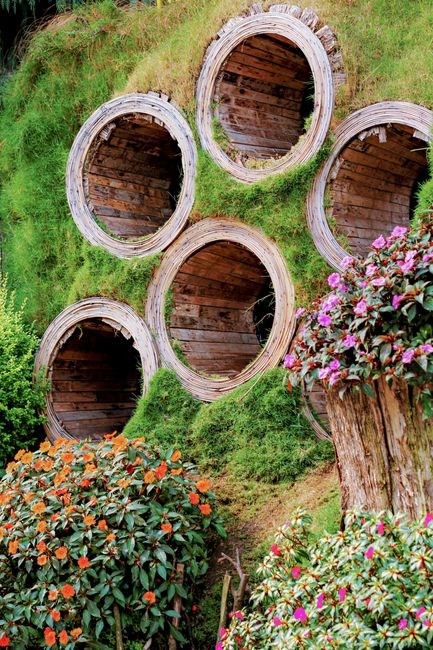
II Concepts/Themes in Design
Design in permaculture is rooted in recognizing recurring patterns in nature and human activity. By mapping these patterns, designers predict interactions and ensure each element serves the system’s health and productivity.
Function drives placement: resource capture, ground improvement, habitat provision, and food production are prioritized over aesthetics. Each component is chosen for its role in the overall network.
Ethical stewardship is central: respect for biodiversity, equitable resource sharing, and long‑term stewardship shape site selection, species choice, and human‑nature balance.
Closed‑loop thinking turns waste into input. By reusing by‑products, the system reduces external inputs, enhances resilience, and maintains self‑sufficiency.
Zoning organizes space by use frequency. Zone 0 hosts high‑value, low‑maintenance features; Zones 1–2 hold crops and livestock; Zones 3–5 support low‑maintenance forests and ecosystems.
Flows of energy and information are mapped to reduce friction. Solar and wind capture maximize exposure; knowledge sharing fuels continuous adaptation.
Lorem ipsum dolor sit amet, consectetur adipiscing elit. Sed do eiusmod tempor incididunt ut labore et dolore magna aliqua. Ut enim ad minim veniam, quis nostrud exercitation ullamco laboris nisi ut aliquip ex ea commodo consequat. Duis aute irure dolor in reprehenderit in voluptate velit esse cillum dolore eu fugiat nulla pariatur. Cras justo odio, dapibus ac facilisis in, egestas eget quam. Donec ullamcorper nulla non metus auctor fringilla. Vestibulum id ligula porta felis euismod semper. Praesent commodo cursus magna, vel scelerisque nisl consectetur et. Nulla vitae elit libero, a pharetra augue. Etiam porta malesuada magna mollis euismod.
III Methods
Permaculture methods are systematic, yet flexible, allowing designers to adapt to local conditions while maintaining core principles. The design process begins with a thorough site analysis: mapping microclimates, soil types, water catchment, and existing biota. This data informs the design of energy flows, food production, and habitat networks. A foundational method is the zone and sector approach, which arranges elements by frequency of use and external influence. Zone 0 houses high‑value, low‑maintenance features such as kitchen gardens and composting systems. Zones 1 and 2 accommodate crops, livestock, and managed forests. Zones 3 to 5 support low‑maintenance ecosystems, providing wildlife corridors and natural buffers. Another key technique is stacking functions, where a single element serves multiple roles. For example, a fruit tree can provide shade, food, and habitat for pollinators while its root system stabilizes soil. Polyculture and guilds further enhance diversity, resilience, and nutrient cycling. Water management is central: swales, ponds, and rain gardens capture runoff, recharge groundwater, and supply irrigation. Greywater and blackwater recycling reduce freshwater demand and enrich soil fertility. Soil building follows no‑till and cover crop principles, preserving structure, moisture, and microbial life. Composting and vermiculture convert organic waste into high‑quality soil amendments. Finally, iterative evaluation—observing outcomes, adjusting designs, and documenting lessons—ensures continuous improvement and knowledge transfer. These methods collectively create closed‑loop, self‑sustaining ecosystems that thrive across diverse climates and scales.

IV Pattern Understanding
Patterns are the recurring arrangements that reveal how natural systems organize themselves. In permaculture, recognizing these patterns—such as spirals, spirals, and concentric circles—guides the placement of elements to mimic ecological processes. The first step is to observe the site’s existing patterns: light gradients, wind corridors, water flow, and soil horizons. By mapping these, designers can identify opportunities for energy capture, moisture retention, and habitat creation. A key pattern is the “spiral of life,” where each element supports the next, forming a self‑sustaining chain. Another is the “zone‑sector” pattern, which arranges elements by proximity and influence, ensuring that high‑maintenance features are near the user while low‑maintenance ones occupy outer zones. The “guild” pattern groups complementary species—nitrogen fixers, pollinators, and pest controllers—into a single functional unit. Patterns also inform water management: swales follow contour lines, creating a “water spiral” that slows runoff and infiltrates soil. Soil building patterns involve layering organic matter, creating a “soil spiral” that enhances structure and fertility. Recognizing and applying these patterns reduces design complexity, increases resilience, and aligns human activity with nature’s rhythms. Continuous observation and adaptation refine pattern use, ensuring that the system remains dynamic and productive over time. This iterative pattern mapping empowers designers to anticipate ecological shifts and craft resilient landscapes.!!
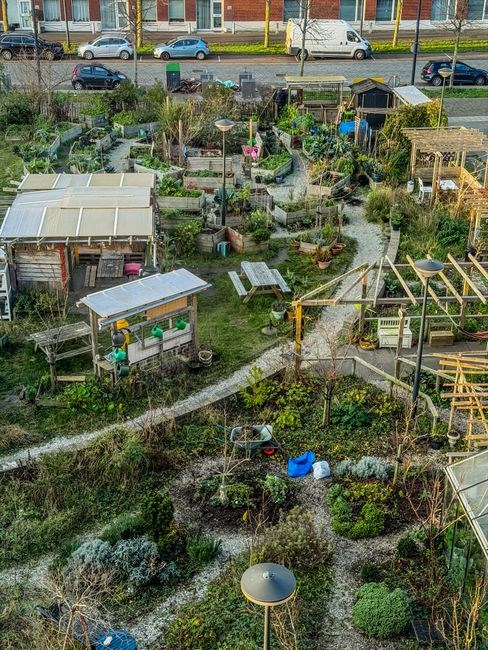
V Climatic Factors
Climate shapes every permaculture decision, from plant selection to water strategy. Designers first record temperature ranges, rainfall totals, seasonal shifts, and prevailing winds. These data reveal the micro‑climate that will govern plant performance and energy flows. The “solar path” diagram shows sun angles, allowing placement of swales, terraces, and shade trees to capture or block heat. Wind roses identify dominant directions; windbreaks and shelterbelts are positioned to reduce erosion and create micro‑climates. Rainfall distribution informs the design of water catchment systems: contour swales capture runoff, while ponds and reservoirs store excess for dry periods. Temperature extremes dictate the choice of hardy species and the need for thermal mass, such as stone walls or earth berms, to moderate indoor and outdoor temperatures. Humidity levels influence pest pressure and fungal diseases; designers use shade cloths, mulches, and plant spacing to manage moisture. Seasonal cycles guide the timing of planting, harvesting, and composting, ensuring that nutrient flows match crop demand. Climate also determines soil erosion risk; terracing, contour planting, and ground cover reduce runoff. By integrating these climatic factors, a permaculture system becomes a resilient, self‑sustaining network that thrives within its environmental context, minimizing external inputs and maximizing local resource use. These climatic insights inform building material choices, ensuring structures are insulated against temperature and roofs capture rainwater efficiently. Aligning design with climate rhythm reduces energy use boosts sustainability!! This holistic approach ensures that every element works in harmony with the prevailing climate.
VI Trees & Their Energy Transactions
In permaculture, trees are the backbone of energy flow, acting as living batteries that capture solar energy, store it chemically, and redistribute it through the ecosystem. Their photosynthetic machinery converts sunlight into sugars, which are transported via phloem to roots, shoots, and fruits. Roots tap into deep water tables, stabilizing soils and preventing erosion, while leaf litter returns nutrients to the surface, fueling microbial activity. Trees also modulate microclimates: canopy shade lowers ambient temperatures, reducing evapotranspiration and conserving moisture. Windbreaks formed by strategically placed trees reduce wind speed, protecting crops and conserving soil moisture. Seasonal leaf fall releases organic matter, creating a continuous cycle of carbon sequestration and release. Fruit and nut production provides high‑value food, while bark and wood can be harvested sustainably for fuel or construction. The vertical stratification of canopy, understory, shrub, and ground cover creates multiple layers of habitat, enhancing biodiversity and resilience. By designing polycultures that mimic natural forest structures, designers harness the synergistic relationships among species, maximizing energy capture and minimizing waste. Trees also act as carbon sinks, sequestering atmospheric CO₂ and mitigating climate change. Their long lifespans mean that proper selection, planting, and maintenance yield benefits for generations, making them indispensable to any regenerative design. By integrating these trees into a diverse, layered system, designers create a resilient network that continually recycles energy, supports wildlife, and buffers against climate extremes, ensuring long‑term ecological and human prosperity. These systems also enhance soil fertility and reduce the need for inputs.! This approach ensures landscapes daily for all.

VII Water
Water is the lifeblood of permaculture design, and its careful stewardship is essential for sustaining productive ecosystems. Designers treat water as a finite resource, employing a suite of techniques that capture, store, and distribute it efficiently. Swales—shallow, contour‑aligned ditches—slow surface runoff, allowing infiltration and creating micro‑aquifers that feed adjacent beds. Ponds, swales, and wetlands act as reservoirs, storing rainwater for dry periods and providing habitat for aquatic species. Grey‑water recycling systems divert household wastewater to gardens, reducing freshwater demand. Green roofs and rain gardens capture precipitation, filter pollutants, and release moisture gradually. Permeable pavements and mulch layers enhance infiltration, preventing erosion and maintaining soil moisture. In arid climates, dew‑harvesting devices and fog nets capture atmospheric moisture, supplementing limited rainfall. Water‑wise plant selection—drought‑tolerant species, deep‑rooted trees, and native grasses—optimizes use of available moisture. Designers also consider the hydrologic cycle: evapotranspiration, transpiration, and condensation, integrating these processes into the landscape to maintain balance. By creating a closed‑loop system, permaculture reduces dependence on external water inputs, promotes resilience, and supports diverse flora and fauna. The ultimate goal is a self‑sustaining, low‑maintenance water network that mirrors natural patterns, ensuring that every drop is captured, conserved, and utilized to its fullest potential.
Effective water management in permaculture relies on capturing runoff through swales, ponds, and rain gardens, turning rain into a self‑sustaining loop. The water infiltrates soil, recharges aquifers, and feeds roots, while excess is stored for dry periods. Grey‑water recycling and compost tea reduce freshwater demand, converting waste into nutrient‑rich inputs. Low‑impact irrigation, such as drip lines and mulch, cuts evaporation and boosts efficiency. Wetlands and bio‑filtration strips clean water, improving quality for plants and wildlife. Seasonal budgeting directs stored reserves to critical crops, ensuring resilience across seasons. Sustainable practice!!!!!!
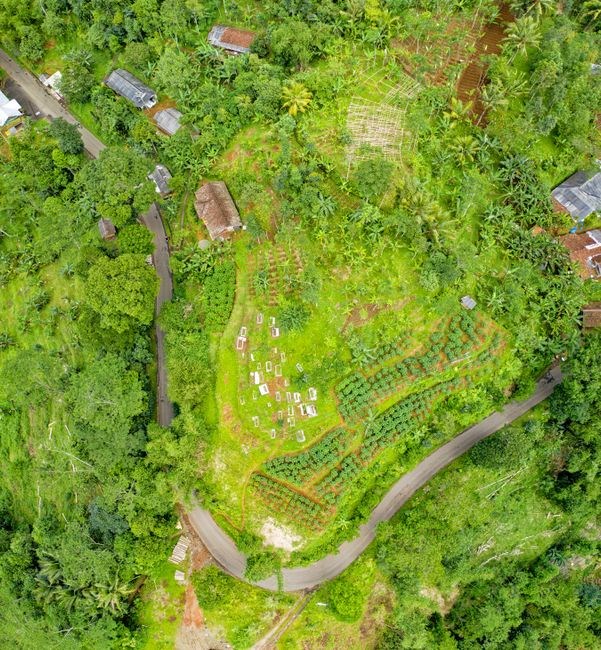
VIII Soils
Soilis the foundation of any permaculture system, and its health determines productivity, resilience, and ecological balance. Designers treat soil as a living organism, not a static medium. They employ a suite of regenerative practices that build structure, enhance fertility, and promote biodiversity. Mulching, composting, and cover cropping add organic matter, improving porosity and water‑holding capacity. Deep root systems from trees and perennial beds break up compact layers, creating vertical channels that facilitate gas exchange and nutrient cycling. Biochar and ash amendments raise pH and sequester carbon, while limestone and gypsum adjust mineral balances. The use of green manure and nitrogen‑fixing legumes replenishes essential nutrients, reducing the need for synthetic inputs. Soil testing guides targeted amendments, ensuring that each element is applied where it is most needed. Designers also focus on soil microbiology, encouraging beneficial microbes, fungi, and earthworms through habitat creation and reduced tillage. Integrated pest management relies on natural predators and disease‑resistant varieties, preserving the soil’s biological equilibrium. Water management—through swales, ponds, and rain gardens—ensures that moisture infiltrates rather than runs off, preventing erosion and maintaining a stable moisture regime. By fostering a diverse, layered soil ecosystem, permaculture designers create a resilient foundation that supports plant growth, sequesters carbon, and sustains the entire landscape for generations.
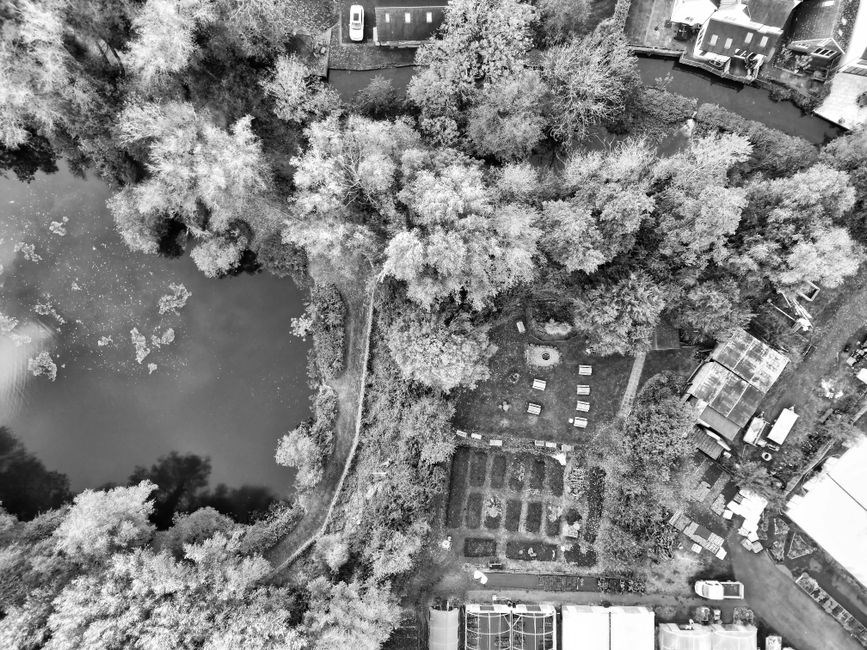
IX Earthworking & Resources
Earthworking in permaculture is the deliberate shaping of the land to align with natural patterns, creating functional, low‑maintenance systems that conserve water, build soil, and support diverse plant communities. Designers use a combination of grading, terracing, swale construction, and contour bunding to redirect runoff, capture rainwater, and reduce erosion. By integrating stone, timber, and earth, they create micro‑climates that enhance plant performance while minimizing energy inputs. Resource management follows a circular logic: waste from one element becomes input for another. Composting kitchen scraps, animal manure, and garden residues supplies organic matter that feeds soil microbes and improves structure. Greywater and rainwater harvesting systems supply irrigation with minimal external resources. Renewable materials—locally sourced timber, bamboo, and recycled composites—are employed for building structures, fences, and pathways, reducing embodied energy. Designers also prioritize the use of native species and resilient varieties that thrive in local conditions, reducing the need for fertilizers and pesticides. Earthworking practices such as building swales, berms, and contour ridges not only manage water but also create habitats for pollinators and beneficial insects, enhancing ecosystem services. By treating the landscape as an interconnected web, permaculture practitioners transform raw earth into a living, productive resource that sustains human needs while preserving ecological integrity. Ensuring resilience for future!!

X Humid Tropics
Humid tropics present a unique set of challenges and opportunities for permaculture design. High rainfall, intense solar radiation and rich biodiversity demand strategies that harness moisture while preventing waterlogging, protect soil structure, and support diverse plant guilds. Designers employ swales, contour bunds, and raised beds to capture and slow runoff, allowing infiltration and reducing erosion. Layering vegetation vertically—from tall canopy trees to understory shrubs and groundcovers—maximizes light interception and creates microclimates that moderate temperature extremes. Polyculture systems exploit complementary relationships: nitrogen‑fixing legumes, fruiting trees, and herbaceous cover crops intermix to recycle nutrients and suppress pests naturally. Water harvesting is critical; rain barrels, cisterns, and drip irrigation reduce dependence on variable streams. Soil health is maintained through composting organic waste, applying mulch, and encouraging mycorrhizal networks that enhance nutrient uptake. Indigenous knowledge informs species selection, respecting local ecological knowledge and cultural practices. Sustainable harvesting of non‑renewable resources, such as timber and medicinal plants, follows a rotational schedule that allows regeneration. By integrating agroforestry, aquaculture, and renewable energy, humid tropical sites can achieve high productivity while preserving ecological resilience and cultural heritage. These practices foster a resilient ecosystem that balances our need with the stewardship!

Design with Photographs
Photographic documentation is a powerful tool for capturing the dynamic processes of permaculture design. High‑resolution images illustrate the spatial relationships between plant guilds, water pathways, and micro‑climates. By juxtaposing before‑and‑after shots, designers can quantify changes in biodiversity, soil health, and resource efficiency. Photographs also serve as educational resources, enabling students to observe subtle cues such as leaf coloration, root growth, and insect activity that signal ecosystem health. When integrated with GIS mapping, images provide a visual layer that enhances data analysis, allowing designers to refine zoning, optimize resource allocation, and monitor long‑term trends. Ethical photography practices—respecting privacy, obtaining permissions, and avoiding disturbance—ensure that the visual record remains a responsible tool. Additionally, photo essays can be shared through digital platforms, fostering community engagement and inspiring broader adoption of regenerative techniques. In this manual, we recommend a systematic approach: schedule seasonal shoots, use consistent framing, and annotate images with metadata. This practice not only documents progress but also reinforces the iterative learning cycle central to permaculture philosophy. By integrating photographic evidence into design documentation, practitioners create a living archive that informs future interventions, supports communication, and demonstrates outcomes, thereby fostering transparency, accountability, and improvement across permaculture projects worldwide. for future resilience!

Bill Mollison’s Legacy and Ethics
Bill Mollison, co‑founder of permaculture, left an enduring ethical framework that guides designers worldwide. His three core principles—care for the earth, care for people, and fair share—form the moral backbone of every project. He championed a holistic view, insisting that ecological health, social equity, and economic viability must be balanced. Mollison’s emphasis on pattern recognition taught designers to observe natural systems, replicate successful relationships, and avoid wasteful practices. He promoted the use of diverse, native plantings to enhance resilience, and advocated for closed‑loop systems that recycle nutrients and energy. His teachings also stressed the importance of lifelong learning, community collaboration, and humility before nature. Through his books, workshops, and the Permaculture Design Certificate, he disseminated these values, inspiring a generation of designers to create regenerative landscapes that benefit both people and planet. Mollison’s legacy endures in curricula, design guidelines, and the global movement that continues to expand his vision of sustainable living.
His influence reaches beyond theory; he mentored countless practitioners, fostering a culture of experimentation and respect for local knowledge. Mollison’s insistence on ethical responsibility encourages designers to prioritize long‑term stewardship over short‑term gain, ensuring that ecosystems remain robust for future generations. By integrating social justice into ecological design, he helped create inclusive communities that share resources equitably, reinforcing the interconnectedness of human and natural systems.
Mollison’s legacy is also evident in the proliferation of permaculture networks that collaborate to share best practices, promote policy change, and support grassroots initiatives worldwide. His vision continues to inspire designers to craft resilient, regenerative landscapes that honor the planet’s rhythms.